High-voltage transmission, electricity capacity markets, Interconnection Queues, Regional Transmission Organizations (RTOs), load forecasting — not exactly the stuff of tantalizing communications. Yet they matter a lot for America’s transition from fossil fuels to clean energy, from expensive to more affordable power on monthly bills, and from rising blackout risks to more reliable electricity in the face of extreme weather.
Over our years working toward the transformation of America’s biggest regional grids, PJM and MISO, we’ve often pulled back the curtain on the complex and byzantine world of RTOs. With opacity comes special-interest influence, and with education and access can come accountability and reform.
Since we began working in MISO, the Midwest grid operator has advanced the nation’s biggest portfolios of long-distance transmission lines needed to support more affordable and reliable power.
Major work lies ahead to ensure power lines can get built in the upper Midwest, and to overcome monopoly utility obstructionism in the Gulf South.
In PJM’s Mid-Atlantic and Ohio Valley region, there’s an urgent need to rein in skyrocketing costs and deal with data center demand. It’s a critical opportunity to usher in the battery storage, clean energy, and consumer protections that best meet our need for reliable, affordable energy.
A look at what's worked
Being visual to teach technical content
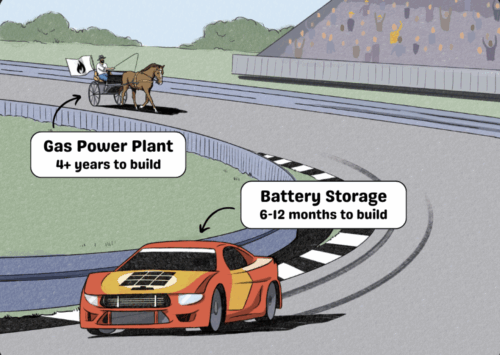
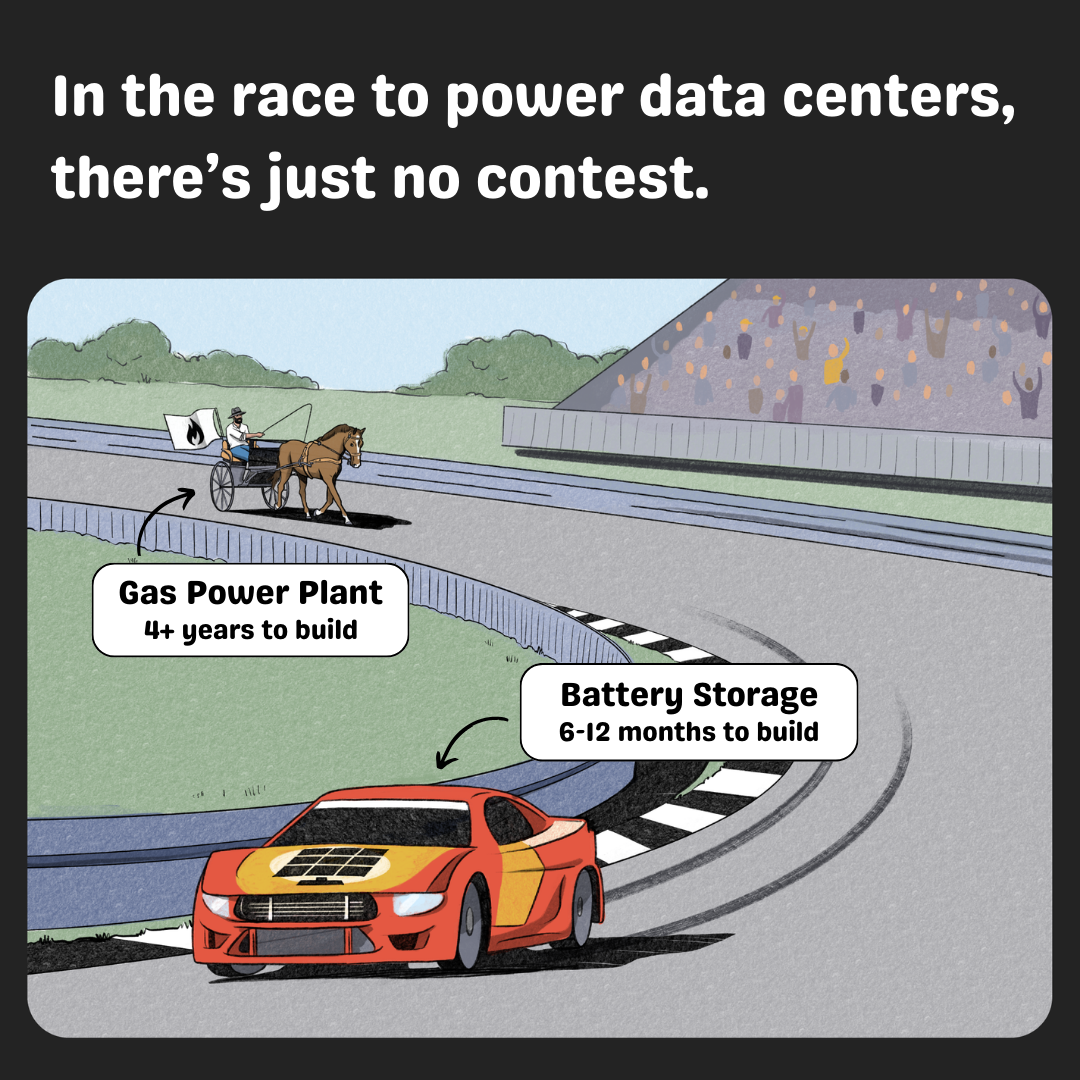
To help elected officials and other energy-sector influencers in PJM learn about solutions that can make a timely difference for dealing with the electricity needs of data centers, we developed a set of catchy graphics to make our educational content sticky for weary state legislators and other state officials.
To help build support for the development of new long-distance power lines in the upper Midwest, we used animation and the concept of a relay team for an upbeat explainer video that answers the question of why new power lines matter to you — whether they’re near where you live or much farther away.
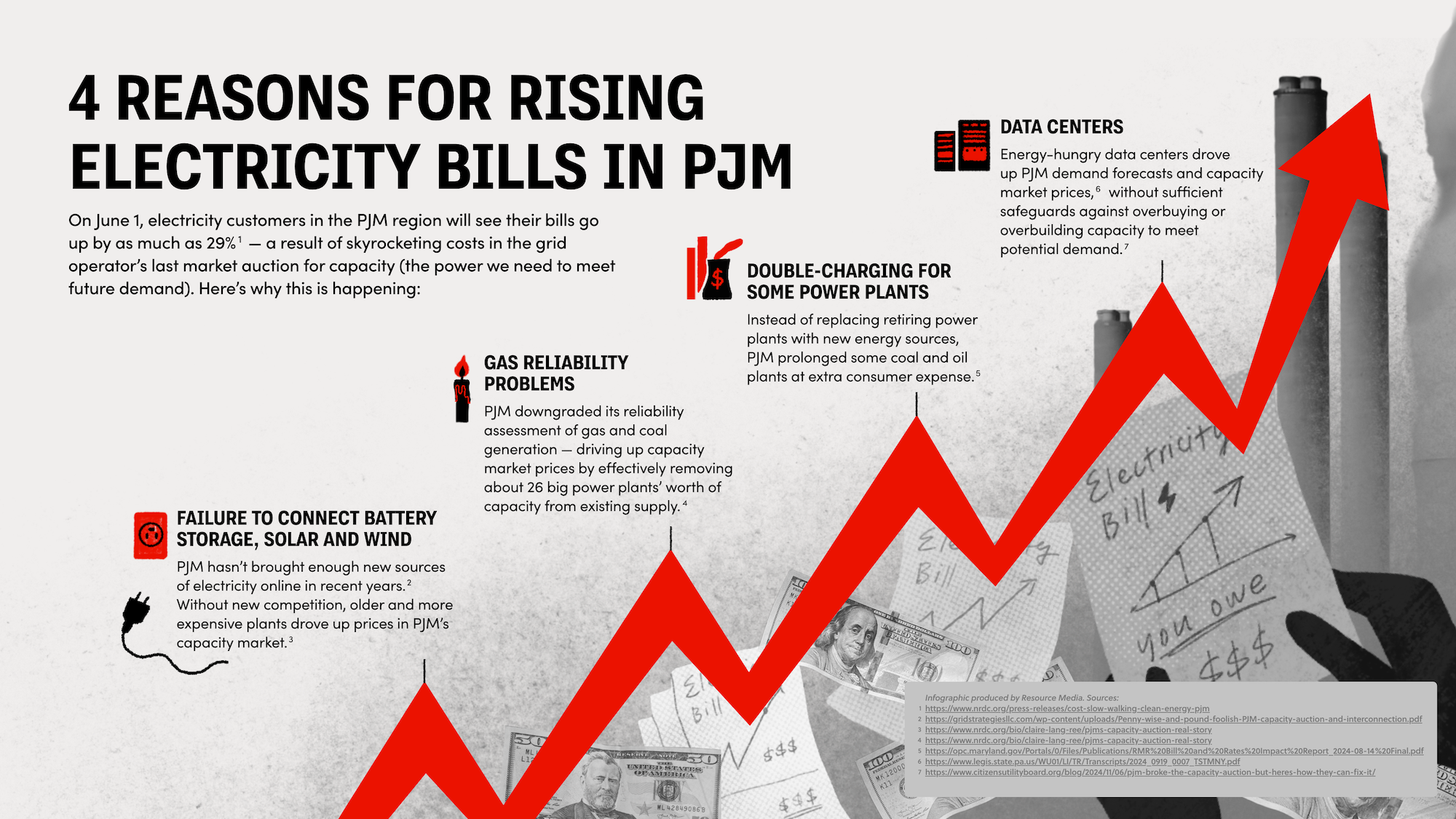
To help ensure the narrative around PJM’s skyrocketing 2025 electricity costs points to the true culprits, we pulled together data, citations, and artwork for an interactive online infographic that has since been featured in blogs, reporter outreach, and social shares.
Ensuring key messaging reaches the right people
The best content won’t change the world if it’s never seen, so we use carefully targeted digital distribution to help content reach the right folks at the right time.
When concern grew in 2024 that some federal officials were trying to politicize the as-yet non-politicized topic of electricity transmission, we produced Power Lines, Not Party Lines to head off any culture warring. And to influence a critical audience of utilities commissioners and other power-sector professionals, we reached them online with the content during a major national utility regulatory conference. That novel campaign drew a lot of positive reactions.
Before a MISO board meeting in New Orleans, we partnered with the Alliance for Affordable Energy to run a video and digital outreach campaign outing monopoly utility Entergy for an expensive plan that would hurt ratepayers and undercut the long-range transmission needed to open up markets and lower costs. The campaign sparked hallway conversations at the MISO board meeting and helped draw much-needed scrutiny to Entergy’s proposal.
Enterprising analysis to drive narrative
In addition to pushing reports from partners via media coverage or graphics, we also initiate new data-gathering and analyses that can help further helpful narratives. In close partnership with the Clean Grid Alliance, we created a clean energy developer survey and packaged and elevated findings in the media to maintain urgency for MISO action on new transmission lines and interconnection queue reform. MISO did take action, with its board approving the country’s largest power grid expansion.
Other recent examples include this self-guided explainer on lessons PJM can learn from Texas on how to keep costs down while serving growing energy demand, and this data table on the high consumer costs of federal mandates to prolong retiring coal power plants.
Elevating persuasive voices in the media
We often see the most impact — followup stories, online buzz and response from officials — when we work to elevate messengers whose voices and brand demonstrate how grid and RTO issues matter more widely. When Bishop Marcia Dinkins of Black Appalachian Coalition authored this column in Utility Dive, it caught wide interest, sparking followup inquiries and additional coverage.
Additional examples include “A more resilient energy future for Appalachia,” by Cody Lynch of West Virginia’s Coalfield Development, and “Entergy’s quiet power moves” by Logan Atkinson Burke at Alliance for Affordable Energy.
It takes years and years to move infrastructure like transmission, or to affect a vast RTO like PJM covering 65 million people in 13 states. There are ups, downs, setbacks, wins, and moments of opportunity and urgency. We’ve been through it all and are all-in for what’s ahead. The energy bill affordability crisis and energy demands of AI are making it a time of urgency and opportunity. Many who never cared to look closely at the inner workings of the electric sector are paying attention now.